Drain Emergencies: When to Panic (And When It Can Wait)
Drain Emergencies: When to Panic (And When It Can Wait)
There are few household moments more capable of causing instant panic than water appearing somewhere it absolutely should not be. A toilet that refuses to flush. A sink filling up instead of draining away. Water creeping across the kitchen floor while you stand there holding a plunger like it is somehow going to save the day.
Drain problems have a habit of feeling dramatic, even when they are relatively minor. The challenge is knowing the difference between an inconvenience that can wait until morning and a genuine drainage emergency that needs immediate attention.
Because while some issues are annoying but manageable, others can quickly escalate into property damage, health hazards, or expensive repairs if ignored.
The good news is that not every strange noise or slow drain requires a midnight emergency callout. Knowing what to look for can save you a lot of stress, unnecessary panic, and potentially quite a bit of money too.
The Drain Problems That Feel Worse Than They Are
Some drainage issues are frustrating, but not necessarily emergencies.
A slow-draining sink, for example, is usually an early warning sign rather than a full-scale disaster. In many cases, this is caused by a gradual build-up of grease, soap residue, food waste, or hair restricting the flow of water through the pipe. It is something that should absolutely be dealt with, but it is unlikely to flood your home overnight.
The same applies to occasional gurgling noises. While they can indicate trapped air or a developing blockage somewhere in the system, they do not always mean immediate catastrophe. Your drains are essentially trying to tell you that something is changing, not necessarily that the world is ending.
Bad smells coming from your drains can also fall into the “deal with it soon, but don’t panic” category. Odours are often caused by debris build-up, stagnant water, or bacteria collecting inside the pipes. Unpleasant? Definitely. An emergency? Usually not.
Even a single blocked sink or shower is often isolated enough to wait until normal working hours, provided water is not overflowing or backing up elsewhere in the property.
That said, “not an emergency” does not mean “ignore it for six months and hope for the best.” Small drainage issues tend to grow quietly in the background until they become much bigger and far more expensive problems.
When It Stops Being Minor
The situation changes when drainage issues begin affecting multiple areas of the property at the same time.
If your toilet starts bubbling when you run the sink, or water backs up into the shower when the washing machine drains, there is a strong chance the problem lies deeper within the main drainage system rather than a single fixture.
This is where things become more urgent.
Multiple affected drains usually indicate a larger blockage somewhere in the system, potentially within the main sewer line itself. Left unresolved, this can quickly escalate into sewage backups, flooding, and contamination.
And this is usually the point where homeowners realise the problem is no longer a “future me can deal with this” situation.
The Real Drain Emergencies
There are certain drainage problems that should always be treated seriously and dealt with immediately.
Sewage Backing Up Into the Property
This is the big one.
If wastewater or sewage starts backing up into sinks, toilets, baths, or floor drains, it is no longer simply a plumbing inconvenience. Raw sewage contains harmful bacteria and contaminants that pose genuine health risks.
Aside from the obvious smell and mess, sewage exposure can affect indoor air quality, damage flooring and furnishings, and create serious hygiene concerns.
If this happens, stop using water immediately and call a drainage professional as soon as possible.
Overflowing Toilets That Will Not Stop
A toilet overflowing once after an enthusiastic flush is one thing. A toilet that continues rising, refilling, or overflowing despite attempts to stop it is something else entirely.
Persistent overflowing can quickly cause water damage to flooring, ceilings, and surrounding rooms, especially in upstairs bathrooms. The longer it continues, the worse the repair costs become.
Turning off the water supply to the toilet is the first step. Calling for professional help is usually the second.
Flooding Around External Drains
Outdoor drain flooding often gets overlooked because it is outside and therefore somehow feels less urgent. In reality, standing water around gullies or external drains can indicate serious blockages or collapsed pipework underground.
Heavy rainfall can make this worse very quickly, especially if water has nowhere to escape. Flooding near the property can eventually affect foundations, paving, and even internal drainage systems.
If outdoor drains are overflowing or backing up consistently, it is worth getting them checked before the situation escalates.
Burst or Collapsed Pipes
A burst pipe is never a “wait and see” issue.
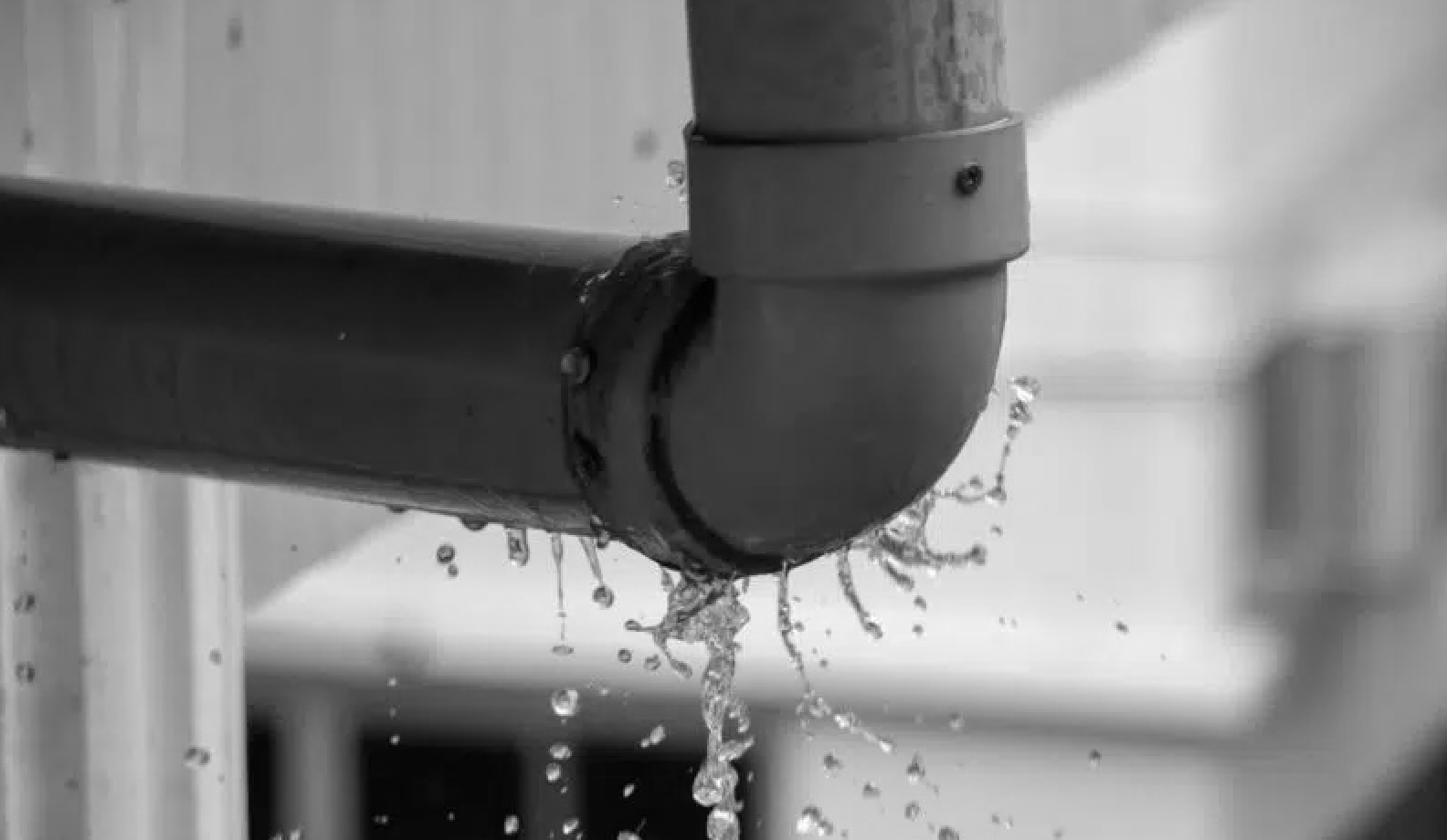
Whether caused by age, root intrusion, freezing temperatures, or pressure build-up, damaged pipes can release large amounts of water quickly and compromise the structural integrity of surrounding areas.
Collapsed drains underground can be equally serious, particularly if they cause subsidence, sinkage, or recurring blockages.
These are problems that require urgent professional assessment.
The Temptation of DIY
When drain problems happen unexpectedly, most homeowners understandably try to fix things themselves first.
Sometimes that works. A plunger can clear minor blockages. Hot water and mild cleaning solutions can occasionally improve slow drainage. Simple maintenance absolutely has its place.
Where problems arise is when panic leads people to attack their plumbing system with excessive force or harsh chemicals.
Pouring multiple drain cleaners into already struggling pipes rarely improves the situation and can sometimes damage older plumbing systems entirely. Aggressive plunging can worsen weak joints or force blockages deeper into the system.
And perhaps most importantly, DIY methods can delay proper diagnosis of a much larger underlying issue.
There is a difference between maintenance and emergency intervention. Knowing when to stop and call a professional matters.
Why Fast Action Saves Money
One of the biggest misconceptions about drainage emergencies is that waiting will somehow make them cheaper to deal with.
Unfortunately, drainage problems tend to move in the opposite direction.
Small blockages become larger ones. Minor leaks become water damage. Standing water becomes mould. A strange smell becomes a full sewage backup at the least convenient moment imaginable.
Acting early is almost always less expensive than dealing with the aftermath later.
Modern drainage specialists can often diagnose issues quickly using CCTV drain surveys, pressure testing, and specialist equipment that pinpoints the exact source of the problem without unnecessary digging or guesswork.
In many cases, catching the issue early prevents extensive repairs altogether.
Knowing the Difference Matters
Not every blocked drain deserves panic. But some absolutely deserve urgency.
Understanding the difference between a manageable issue and a genuine emergency helps you respond calmly, protect your property, and avoid unnecessary damage.
If the problem is isolated, draining slowly, or simply unpleasant, you likely have time to arrange a proper repair without panic.
But if sewage is backing up, multiple drains are affected, water is overflowing uncontrollably, or flooding is developing, it is time to stop hoping it will fix itself and get professional help involved quickly.
Because with drainage problems, the real danger is rarely the first symptom. It is what happens when it gets ignored.