How to Prevent a Blocked Toilet (and Save Yourself a Very Bad Day)
How to Prevent a Blocked Toilet (and Save Yourself a Very Bad Day)
There are few household problems more universally dreaded than a blocked toilet. It’s inconvenient, unpleasant, and has an uncanny ability to happen at exactly the wrong moment, guests over, late for work, or five minutes before bedtime. While toilets are built to be robust, they’re not indestructible, and most blockages are caused by everyday habits rather than dramatic plumbing failures.
The good news? Preventing a blocked toilet is far easier (and cheaper) than fixing one. With a bit of awareness, routine maintenance, and knowing when to step back and call for help, you can keep everything flushing as intended and avoid turning a small issue into a plumbing emergency.
Mind Your Toilet Paper Usage
Toilet paper may be designed to break down in water, but that doesn’t mean it’s immune to causing problems. Modern bathroom habits – combined with ultra-thick, luxury toilet paper – can quickly overwhelm even a perfectly healthy drainage system.
Using excessive amounts of toilet paper in one flush increases the risk of partial blockages, especially in older properties or homes with narrow pipework. Being mindful of how much you use isn’t just good for your plumbing; it’s better for the environment and your wallet too.
If flushing feels weaker than usual or water lingers in the bowl, that’s often your first warning sign to ease off before a blockage fully develops.
Clean Regularly (Without Nuking Your Toilet)
Regular toilet cleaning isn’t just about appearances – it plays a real role in keeping things flowing properly. A weekly clean using mild products helps prevent mineral build-up, residue, and early signs of wear.
Simple solutions like baking soda, vinegar, and gentle soap are surprisingly effective. They’re affordable, widely available, and far kinder to your pipes than harsh chemical cleaners. As an added bonus, they’re better for your health and the environment, producing no toxic fumes and posing no risk to water supplies.
Regular cleaning also helps you spot issues early, such as small leaks, cracks, or weak flushing, before they escalate into something more expensive.
Be Careful with Chemical Unblockers
Chemical drain and toilet unblockers promise fast results, but they’re rarely the long-term solution they claim to be. These products are often corrosive, posing risks to skin, lungs, pets, and aquatic life. Over time, they can weaken pipes, damage seals, and even make recurring blockages worse.
Plumbers are divided on their use for a reason: while they may help with very minor obstructions, repeated use can create bigger problems than the original blockage ever did.
Prevention is always preferable. When a problem does arise, mechanical methods or professional solutions are usually safer and more effective.
Teach Good Toilet Habits Early
If you have children, teaching proper toilet habits early can save years of plumbing headaches. Young children are naturally curious, and toilets can easily become experimental disposal units if clear rules aren’t established.
Teaching children what can and can’t be flushed, and explaining why, goes a long way. That includes sensible toilet paper use, not flushing toys or wipes, and understanding that the toilet isn’t a bin.
These habits don’t just protect your plumbing; they’re useful life skills that will serve them well long after they leave home.
Keep an Eye on the Internal Mechanics
A toilet’s internal components work hard every day, and like anything mechanical, they benefit from occasional checks. Faulty flappers, worn seals, or incorrect water levels in the cistern can all contribute to poor flushing performance and increased risk of blockages.
Checking a few times a year can significantly extend the lifespan of your toilet. If you’re unsure what to look for or notice inconsistent flushing, a professional can quickly identify and resolve issues before they turn into failures.
Skip the Brick-in-the-Cistern Trick
Placing a brick in the cistern to “save water” is one of those ideas that refuses to die, despite being outdated and risky. Modern toilets are already designed to use water efficiently, typically around six litres per flush.
Reducing this further can compromise flushing power, meaning waste isn’t cleared properly. Worse still, bricks can crumble over time, releasing debris into the cistern and pipework, leading to blockages you were trying to avoid in the first place.
If water efficiency is a concern, it’s far safer to upgrade fixtures or adjust flush settings correctly rather than improvising with masonry.
Act Quickly When Something Feels Off
Weak flushing, slow drainage, or rising water levels should never be ignored. These are early warning signs, and addressing them promptly can prevent a full blockage.
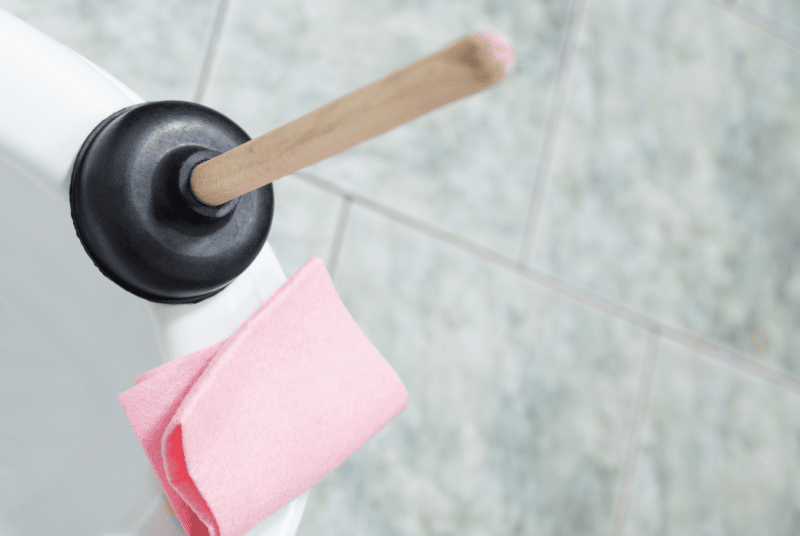
A plunger is often the first and most effective tool to try – simple, affordable, and surprisingly powerful when used correctly. However, if plunging doesn’t improve things or the problem keeps returning, it’s time to stop and reassess.
Ignoring symptoms rarely makes them disappear. More often, it simply gives the blockage time to become worse.
Know When to Ask for Help
DIY solutions have their place, but some problems are beyond what household tools can safely fix. Dark or murky water backing up into sinks or showers is a major red flag, often indicating a deeper drainage issue that needs professional attention immediately.
Calling a specialist early can save significant time, stress, and money. Professional drainage engineers have the equipment and experience to diagnose problems accurately and resolve them without unnecessary damage or guesswork.
At Rapid Drainage, we help homeowners across London and the South East keep their toilets and drainage systems working exactly as they should – quietly, efficiently, and without drama.
 020 3488 6280
 Visit our website or contact us to book an inspection