What Products Can Cause Drain Plugs?
What Products Can Cause Drain Plugs?
Your drainage system is remarkably patient. Day in, day out, it quietly carries away water, waste, and whatever else we decide it can “probably handle.” But while drains are hardworking, they’re not invincible, and many of the products we casually send down them are quietly plotting a blockage behind the scenes.
Most drain plugs don’t happen overnight. They build slowly, layer by layer, until one day your sink refuses to drain, your shower turns into a foot spa, or your toilet begins to behave suspiciously. The culprit is often not bad luck, but everyday products that simply don’t belong in your pipes.
Let’s take a look at the most common offenders and why keeping them out of your drains can save you time, money, and a great deal of frustration.
Cooking Grease and Oil: The Silent Pipe Killer
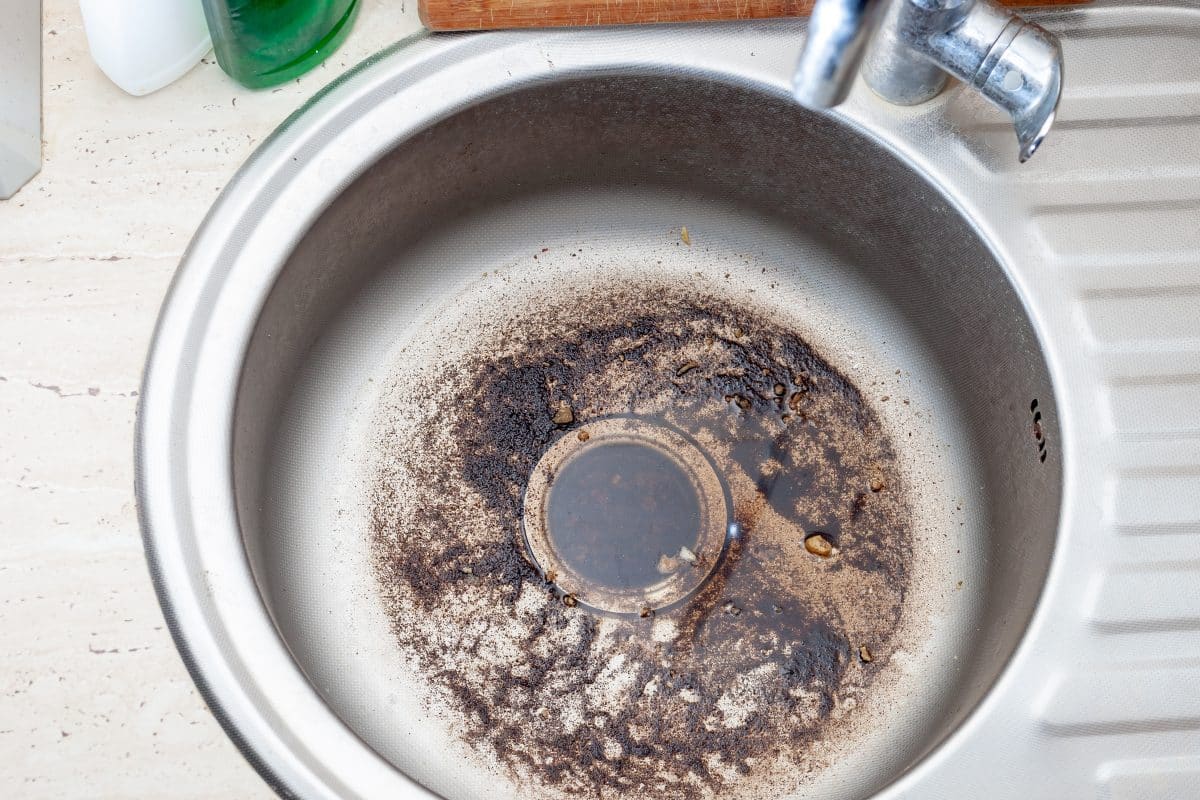
Cooking grease and oil are public enemy number one when it comes to blocked drains. While they may slide down the sink easily when hot, they cool rapidly once inside your pipes. When they cool, they solidify, clinging to pipe walls and slowly narrowing the passage for water.
Over time, grease traps food particles and debris, forming a stubborn blockage that no amount of “just one more rinse” will fix. This is how fatbergs are born, and yes, they’re just as unpleasant at home as they are in public sewers.
Better option:
Let grease cool in a container and dispose of it in the bin. Your pipes are not a deep fryer.
Hair and Soap Residue: A Bathroom Classic
Hair might be lightweight and harmless on its own, but once it enters your drain it becomes a magnet for soap residue, shampoo, conditioner, and limescale. Together, they form a dense, sticky mass that clings to the inside of pipes like it’s trying to settle down permanently.
This is particularly common in showers and bathroom sinks, where hair loss meets daily washing routines. The result? Slow drainage, unpleasant smells, and eventually a full blockage.
Better option:
Use drain strainers or hair catchers and clean them regularly. It’s not glamorous, but it’s far better than standing in ankle-deep shower water at 7am.
Food Scraps: Small Pieces, Big Problems
Kitchen sinks often become accidental food disposal units, especially during busy mealtimes. However, many food scraps are far more troublesome than they appear.
Starchy foods like rice and pasta swell when wet. Fibrous items such as potato peels cling to pipes. Eggshells don’t dissolve, and coffee grounds behave like wet sand, settling and compacting over time.
Even small amounts add up, gradually restricting water flow and creating blockages that worsen with every rinse.
Better option:
Dispose of food scraps in the bin or compost. If it wouldn’t dissolve in water naturally, it shouldn’t go down the sink.
“Flushable” Wipes and Feminine Hygiene Products: A Misleading Label
Despite the name, many “flushable” wipes do not break down anywhere near as effectively as toilet paper. Instead, they remain intact, snagging on pipe joints and combining with grease and debris to form stubborn clogs.
Feminine hygiene products are equally problematic. Designed to absorb moisture and expand, they do exactly that inside your pipes, with predictable and unpleasant results.
Better option:
Bin them. Always. If it didn’t come from your body or isn’t toilet paper, it doesn’t belong in the toilet.
Cotton Swabs and Dental Floss: Small but Sneaky
Cotton buds, dental floss, and similar small items often slip into drains unnoticed. While tiny, they tangle easily and act as a net for other debris, helping blockages form faster and more firmly.
Dental floss in particular is notorious for wrapping itself around pipe imperfections, creating the perfect anchor point for a future clog.
Better option:
Dispose of these items in the bin, where they belong.
Why These Products Cause So Much Trouble
The problem isn’t just that these items enter your drains, it’s that your drainage system isn’t designed to process them. Pipes rely on gravity and water flow to carry waste away. When solid, fibrous, absorbent, or sticky materials are introduced, they interrupt that flow and create pressure points.
Over time, this can lead to:
Persistent slow drainage
Foul odours
Pipe damage or leaks
Sewage backups
Costly emergency repairs
All of which are far less pleasant than changing disposal habits.
How Rapid Drainage Can Help
Even with the best intentions, blockages sometimes happen. When they do, Rapid Drainage Services are on hand to resolve the issue quickly and safely.
Our professional services include:
Blockage removal
High-pressure water jetting
CCTV drain inspections
Preventive maintenance advice
We don’t just clear the problem – we help prevent it from coming back.
Preventing Drain Plugs Starts at Home
Good drainage starts with good habits. By being mindful of what goes down your sinks and toilets, installing drain catchers, and scheduling regular maintenance, you can dramatically reduce the risk of blockages.
A little prevention goes a long way, and saves you from the inconvenience, expense, and stress of dealing with a clogged system.
Protect Your Drains Before Problems Start
Understanding which products cause drain plugs is one of the easiest ways to protect your drainage system. By keeping grease, hair, wipes, food scraps, and small items out of your pipes, you’ll keep everything flowing exactly as it should.
And if you suspect a blockage is already forming?
 Get in contact with Rapid Drainage today to book a service or emergency call-out.
Because your drains work hard, the least we can do is not sabotage them.