When Drains Talk Back: What Gurgling Noises Really Mean
When Drains Talk Back: What Gurgling Noises Really Mean
Most of the time, drains are wonderfully unremarkable. They exist quietly in the background, carrying away everything we throw at them without complaint. So when one suddenly starts making strange noises, gurgling, bubbling, or sounding like it’s trying to clear its throat, it’s understandably unsettling.
Drains don’t gurgle for fun. They gurgle because something isn’t working as it should.
While it’s tempting to dismiss the sound as “one of those things”, gurgling is often your drainage system’s earliest attempt to get your attention. Ignore it long enough, and it tends to escalate — usually at the least convenient moment possible. Let’s break down what those noises really mean, what causes them, and when they’re simply annoying versus when they’re a sign that professional help is needed.
Why Drains Gurgle in the First Place
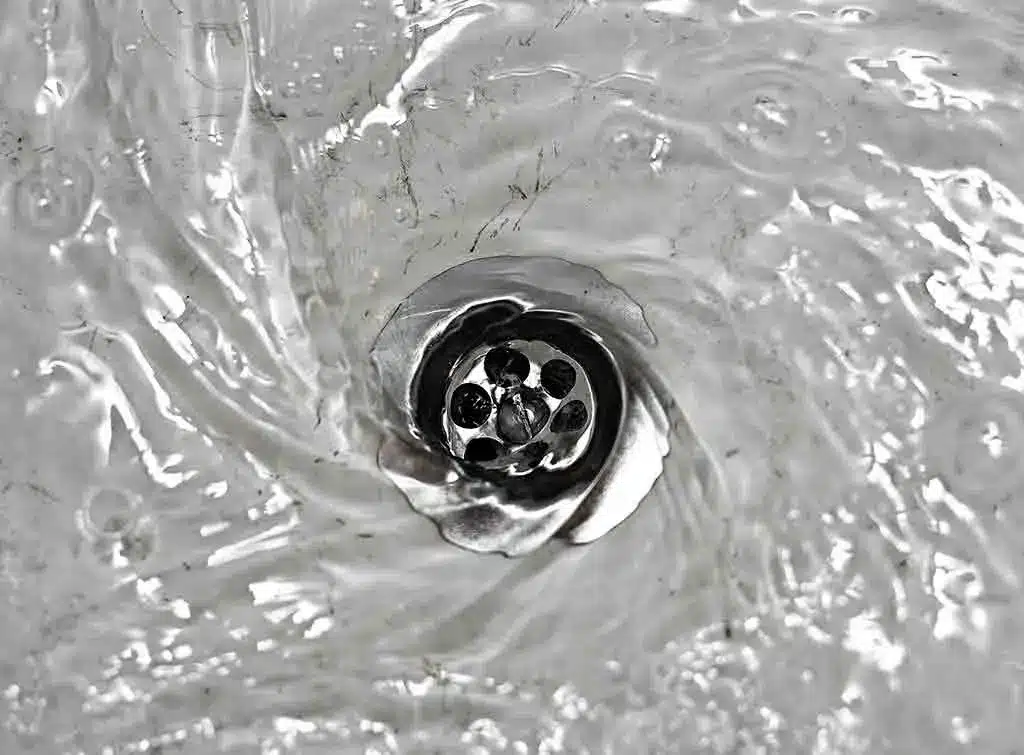
At its core, gurgling is usually an airflow problem. Your drainage system doesn’t just rely on gravity to move water away from your property. It also depends on proper ventilation. As water flows through pipes, air needs to move freely in and out of the system to prevent pressure imbalances.
When that airflow is disrupted, often by a partial blockage, air gets trapped. That trapped air has to escape somewhere, and when it does, it pushes back through the water in the pipes. The result is the bubbling or gurgling sound you hear.
What makes this tricky is that, early on, the drain may still appear to work reasonably well. Water drains away, albeit a bit slower, and the noise might only happen occasionally. That’s often why gurgling gets ignored, everything seems fine.
In reality, the system is under strain. The blockage hasn’t fully formed yet, but it’s on its way.
Kitchen sinks are particularly prone to this because they deal with a steady combination of grease, food particles, soap, and detergent. Bathrooms follow closely behind, thanks to hair, soap scum, and everyday use.
Put simply: If a drain is gurgling, it’s struggling.
“It Still Drains Fine”… Why That’s Misleading
One of the most common misconceptions homeowners have is assuming that if water still drains, the problem can’t be serious. Unfortunately, drainage issues don’t usually appear overnight.
Most major blockages start as minor restrictions. At first, they simply reduce airflow. Then they begin to slow drainage. Eventually, they trap enough debris to cause backups. Gurgling often sits right at the beginning of this timeline. Think of it as a cough rather than a collapsed lung. You don’t need to panic, but you also shouldn’t pretend it isn’t happening.
If the noise is infrequent and there are no other symptoms, you likely have time to arrange professional assistance before things escalate. The key is not waiting until the system forces the issue.
When Gurgling Becomes a Serious Warning
There are certain signs that suggest a gurgling drain has moved from “early warning” to “urgent problem”. If the noise is accompanied by unpleasant smells, it usually means waste is lingering in the pipework instead of flowing away efficiently. This is often caused by debris building up around a restriction. Slow drainage is another indicator that the blockage is growing. If sinks or showers take noticeably longer to empty, the pipe diameter is already being reduced.
The most serious sign is water backing up, even briefly. When water rises before draining, pressure has nowhere to go. At this stage, the system is close to failing entirely.
Once these symptoms appear, the issue should be addressed promptly. Left alone, it rarely improves and often results in emergency call-outs, property damage, or hygiene concerns.
What Actually Causes Gurgling Drains?
While every property is different, most gurgling drains can be traced back to a handful of common causes.
Wet wipes and non-flushable products Despite being marketed as “flushable”, wipes do not break down like toilet paper. They tangle, catch debris, and form the backbone of many serious blockages. They’re especially problematic in shared drainage systems.
Hair in bathrooms Hair is one of the most stubborn materials to deal with in pipework. It doesn’t dissolve, and when combined with soap residue, it forms dense mats that restrict both water flow and airflow.
Grease and fats in kitchens Grease enters the drain as a liquid but cools and solidifies inside the pipe. Over time, it coats the walls and narrows the channel, catching everything else that passes through.
Improper toilet use Toilets are designed for very specific waste. The simple rule is the three Ps: pee, poo, and paper. Anything else, like sanitary products, cotton buds, floss, hair, condoms, cat litter, will eventually cause problems.
Ventilation issues In some cases, the problem isn’t just debris but a blocked or poorly functioning vent pipe. Without proper venting, air can’t move freely through the system, leading to pressure imbalances and noise.
Why DIY Fixes Often Make Things Worse
When a drain starts making noise, many people understandably want to fix it themselves. Sometimes light maintenance helps, but there are common mistakes that often turn a manageable issue into a bigger one.
Ignoring it altogether Drainage problems don’t usually resolve themselves. Gurgling that’s left unchecked almost always becomes more frequent and more disruptive.
Aggressive plunging without diagnosis Plungers can be useful tools, but using excessive force without knowing the cause can damage seals, fixtures, or force debris deeper into the system. In some cases, it can also cause unpleasant backflow.
Overusing chemical cleaners Not all drain chemicals are suitable for all blockages. Mixing products or using them repeatedly can damage pipework without solving the underlying issue. If the problem returns quickly, chemicals aren’t addressing the real cause.
DIY fixes tend to work only when the blockage is minor and localised. Persistent gurgling usually indicates something deeper that needs professional assessment.
How Professionals Identify the Real Problem
When symptoms persist, accurate diagnosis is essential. Guesswork often leads to repeated failures and unnecessary expense. One of the most effective diagnostic tools available is a CCTV drain survey. This involves sending a specialist waterproof camera through the drainage system to inspect it from the inside. The live footage allows engineers to identify blockages, cracks, misalignments, root intrusion, or structural damage that can’t be seen from the surface. The findings are recorded and analysed, ensuring the correct solution is applied first time. CCTV surveys are commonly used for recurring drainage issues, property purchases, renovations, and before excavation work, precisely because they remove uncertainty.
Why Early Action Saves Money and Stress
Addressing gurgling drains early almost always costs less than dealing with a full blockage later. Early intervention typically involves cleaning, clearing, or minor repairs rather than emergency call-outs or structural work. Beyond cost, there’s also disruption to consider. Drain failures rarely happen at convenient times. They tend to occur during busy mornings, family gatherings, or bad weather, when the system is under the most pressure. Listening to the early warning signs helps avoid those scenarios altogether.
When to Call a Professional
If your drains are gurgling regularly, producing smells, draining slowly, or backing up even briefly, it’s time to involve professionals. At Rapid Drainage, we deal with these symptoms daily. From minor airflow restrictions to complex blockages, our team has the experience, equipment, and insurance to resolve issues safely and efficiently.
Not sure what’s causing the noise? That’s exactly what we’re here for.
A quick assessment now can prevent a much bigger problem later, and save you ever having to deal with the plunger at all.Regular maintenance dramatically reduces the chances of these unpleasant surprises. When your drains are routinely inspected and cleaned, you gain confidence that everything is working as it should, and that peace of mind is genuinely valuable.
It’s much easier to enjoy your home when you’re not silently wondering whether the sink will betray you.